
US Banks Clear Federal Reserve Stress Tests
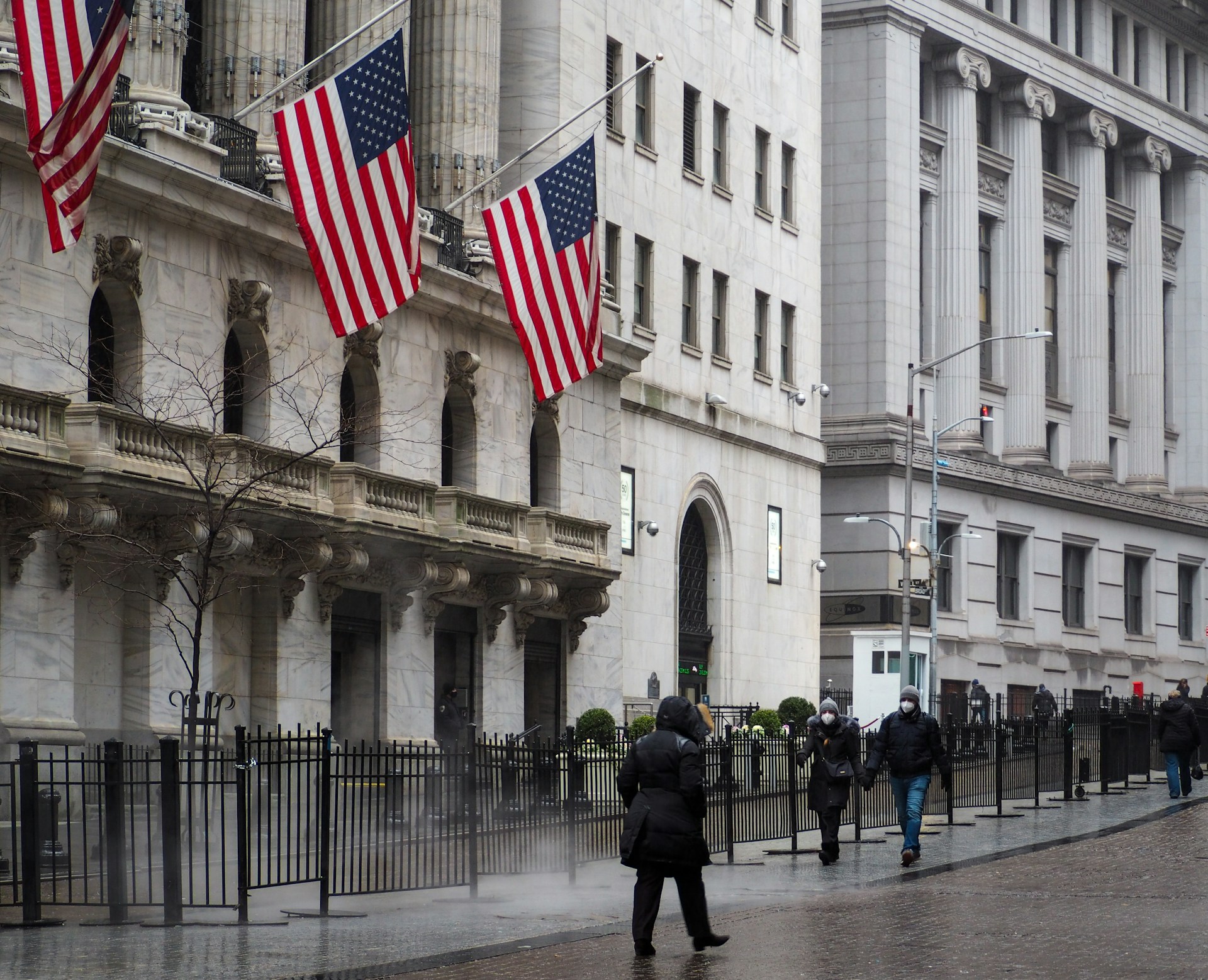
The United States' largest banks have cleared the Federal Reserve's latest annual stress tests, demonstrating sufficient capital strength to withstand a severe hypothetical economic downturn while continuing to lend to households and businesses. The results provide a key benchmark for the banking sector's financial health and pave the way for institutions to finalise capital distribution plans.
The Federal Reserve assessed 22 major lenders against a scenario featuring a deep global recession, a sharp rise in unemployment, significant declines in commercial and residential property prices, and heightened market volatility. Under those assumptions, the banks were projected to absorb more than $708 billion in aggregate losses. Despite the severity of the exercise, every institution maintained capital ratios above the regulatory minimum, underscoring the strengthened capital positions built over the past decade.
For the banking industry, the outcome carries immediate strategic significance. Stress test results directly influence the amount of capital banks can allocate to dividends and share repurchase programmes while maintaining regulatory buffers. They also shape broader decisions around lending capacity, balance sheet management and investment priorities. Institutions entering the second half of the year with robust capital positions are likely to have greater flexibility to pursue growth opportunities while navigating an uncertain macroeconomic environment.
The latest results also reinforce the evolving role of stress testing within modern banking supervision. What began as a post-financial crisis safeguard has become an integral component of capital planning and enterprise risk management. Boards and executive teams increasingly rely on the process to evaluate how their institutions would perform under extreme but plausible scenarios, ensuring that capital strategies remain aligned with regulatory expectations and shareholder interests.
While the Federal Reserve's hypothetical scenario represents an exceptionally severe downturn rather than a forecast, the exercise highlights the importance of maintaining resilient balance sheets amid persistent geopolitical tensions, shifting credit conditions and economic uncertainty. For banks, capital adequacy is no longer measured solely by regulatory compliance but by the ability to sustain lending, preserve market confidence and support clients through periods of stress. The latest results reinforce that capital discipline remains a defining strength of the US banking sector and a critical foundation for long-term financial stability.